Charles Booth's Poverty Maps Lead New Housing Exhibition
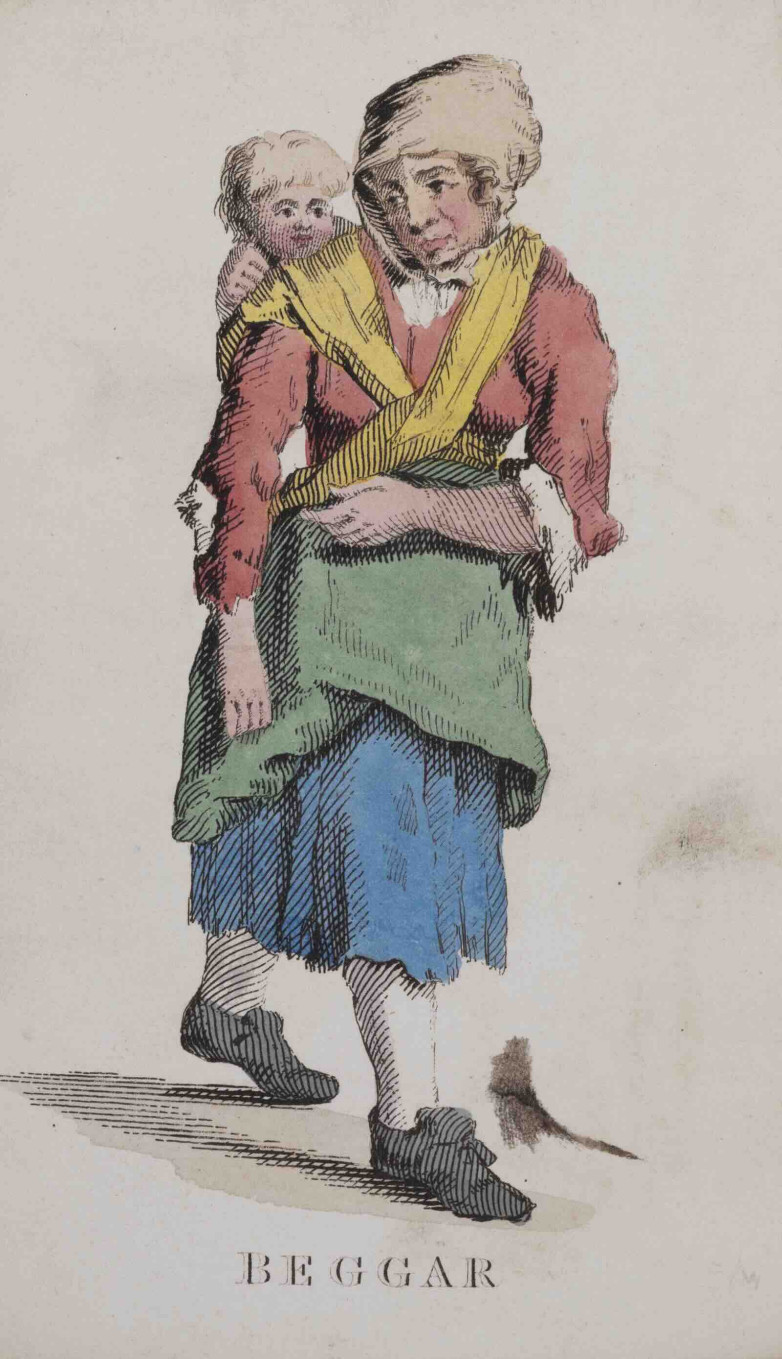
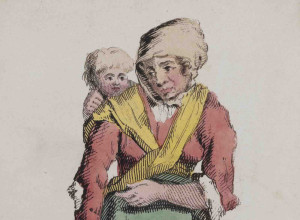
'Beggar' from Costume of the lower orders of the metropolis, c.1822, hand-coloured engravings by Thomas Lord Busby.



A major exhibition exploring the history of poverty and housing in London opens today at University of London’s Senate House Library.
Running through March 5, 2027, A Place to Call Home: Poverty and Housing in London is a collaboration between University of London and London School of Economics (LSE) charting the cultural, economic and political history of the capital over the past 200 years focusing on poverty, housing and communities.
At the end of the 19th century, industrialist Charles Booth began a social investigation of London. From this work he created a unique series of maps which vividly coloured London’s streets to indicate levels of poverty and wealth. They were the best-known result of his Inquiry into Life and Labour of the People in London (1889-1903), an expansive survey of poverty, industry and the social influence of religion in London.
LSE material includes Booth’s original poverty maps, along with supporting notebooks and other related records. Senate House Library items come from its own collections of pamphlets, rare books, newsletters and flyers, among them the exceptionally rare Hampstead Tenants' Defence League (1935–1940) publications, providing a unique look at 1930s rent strikes, campaigns for air raid shelters, and grassroots housing activism.
The displays also feature publications from local tenants’ associations, Shelter, Homeless Action, the London Renters Union, and Centerprise. Centerprise (1971–2012), a radical bookshop and community centre, used its publishing project to champion the solidarity of local working-class communities. Featured works span from the tight-knit world of Hackney’s The Island and Islington's notorious Popham Street flats, to Breaking the Silence, a pioneering multilingual anthology of reflections by Asian women on their experiences living in London.
“London has changed hugely over the last 200 years but the challenges around housing and poverty remain strikingly similar," said Senate House Library Head of Collections Lucy Evans. "London is still a city of inequality, with wealth and deprivation existing side by side. Charles Booth understood that a good home is central to life chances, health and community and, though most housing has improved since the Victorian era, much of this improvement has been a result of the struggle and activism of ordinary Londoners whose contributions will be celebrated at the exhibition.”